


Achieve reliable and repeatable color measurement on digitally printed glass, acrylic, and other transparent or translucent materials. Barbieri spectrophotometers support automated transmission measurement for ICC profiling and color quality control in professional glass printing applications.

Digital Glass Printing

Reliable color measurement on transparent and translucent materials

Digital glass printing includes architectural glass, decorative panels, interior applications, displays, and printed acrylic. Depending on the material construction and intended viewing condition, the printed result may be evaluated in reflection, transmission, or both.

Reliable profiling therefore requires a measurement workflow that matches the optical behavior of the material and the way the final product will be viewed or illuminated.

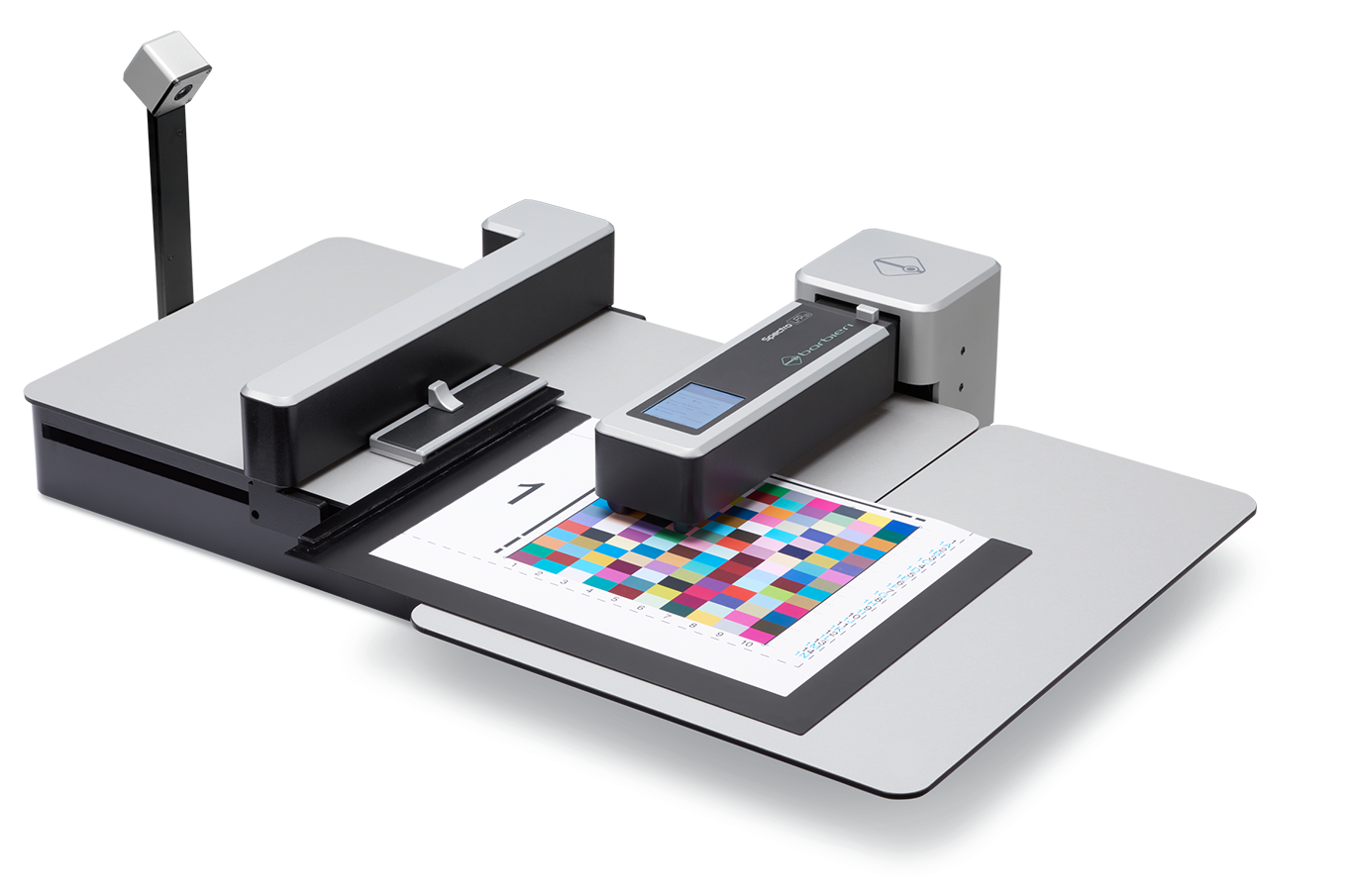
The Spectro LFP qb combines automated reflection and transmission measurement in a single instrument. This provides the flexibility required to characterize transparent, translucent, and opaque printing configurations under the relevant measurement conditions.

Automated chart measurement and integration with leading RIP and Color Management solutions support efficient profiling and color quality workflows.

What Makes Color Control in Digital Glass Printing Difficult

Different viewing and illumination conditions

Printed glass and acrylic can be viewed in reflection, transmission, or under mixed lighting conditions. The appropriate measurement method depends on the material construction, backing, illumination, and intended installation. For backlit or transparent applications, transmission measurement provides essential spectral data that reflection measurement alone cannot represent.

Surface coatings and treatments

Glass printing may include primers, coatings, white ink layers, varnishes, frits, enamels, laminates, or printed layers on different sides of the material. These elements influence spectral transmission, reflection, opacity, and the final color appearance.

Rigid, thick, and heavy sample handling

Glass and acrylic samples are rigid, thick, and sometimes heavy. Stable positioning is required to measure profiling charts and control fields safely and repeatably without damaging the sample or interfering with the measurement path.

Where Color Measurement Fits in Your Digital Glass Printing Workflow

01

Material and process characterization

Measure the color behavior of each printer, ink set, print mode, glass type, coating, layer structure, and backing configuration as the basis for accurate profiling.

02

ICC profile creation for the intended viewing condition

Print and automatically measure profiling charts in reflection or transmission, depending on the material construction and intended viewing or illumination condition.

03

Production quality control

Measure control charts or representative production samples at defined intervals to identify color deviations and verify consistency between panels, batches, and production runs.

Barbieri Instruments
04

Color measurement documentation

Document measured results for production records, quality assurance, customer approval, and comparison with defined color references or tolerances.

Complete your Setup

Recommended Accessories for Digital Glass Printing

Extend your measurement setup with accessories designed to improve safe and repeatable positioning of rigid, thick, heavy, transparent, and translucent samples.
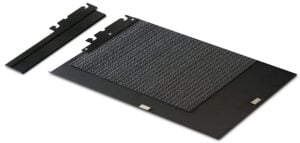
Set of 2 Sample Holders for thick and heavy media

Set of 2 Sample Holders for thick and heavy media

Securely fixes rigid and heavy substrates up to 20 mm for safe automated measurement.

A pair of dedicated holders for measuring thick, rigid or heavy materials such as ceramic, glass, wood, plexiglas and rigid plastics. Holds substrates flat and stable during automated chart measurement, supporting media up to 20 mm thick on the Spectro LFP qb.
See how industry leaders use Barbieri.

Packaging & Label

CGS ORIS GmbH

CGS ORIS GmbH is a leading developer of color management solutions, contract proofing systems, and workflow software for the printing industry.
Textile

Sync-Innovation

SYNC-INNOVATION is a Japanese one-stop shop for consumer goods, integrating design, production, inventory, and delivery for major e-commerce platforms.
Textile

FUTURE FASHION

The company operates in the garment manufacturing industry, with a strong focus on sportswear production and sublimation-based textiles.

Need Help Choosing the Right Solution?

Scroll to Top
Cookie Consent with Real Cookie Banner