
Achieve reliable and repeatable color across digital textile printing processes, materials, and production runs. Barbieri color measurement solutions are designed for the specific challenges of dye sublimation, direct to garment, direct to film, and other professional textile printing applications.

Digital Textile Printing

Reliable color across fabrics, printing processes, and production runs

Digital textile printing covers a wide range of applications, including fashion, sportswear, home textiles, soft signage, and industrial fabrics. Each process combines specific printers, inks, transfer conditions, finishing steps, and textile structures that influence the final color result.

Professional color measurement provides the spectral data required to create accurate profiles, reproduce colors consistently, and verify production quality across different materials and production runs.

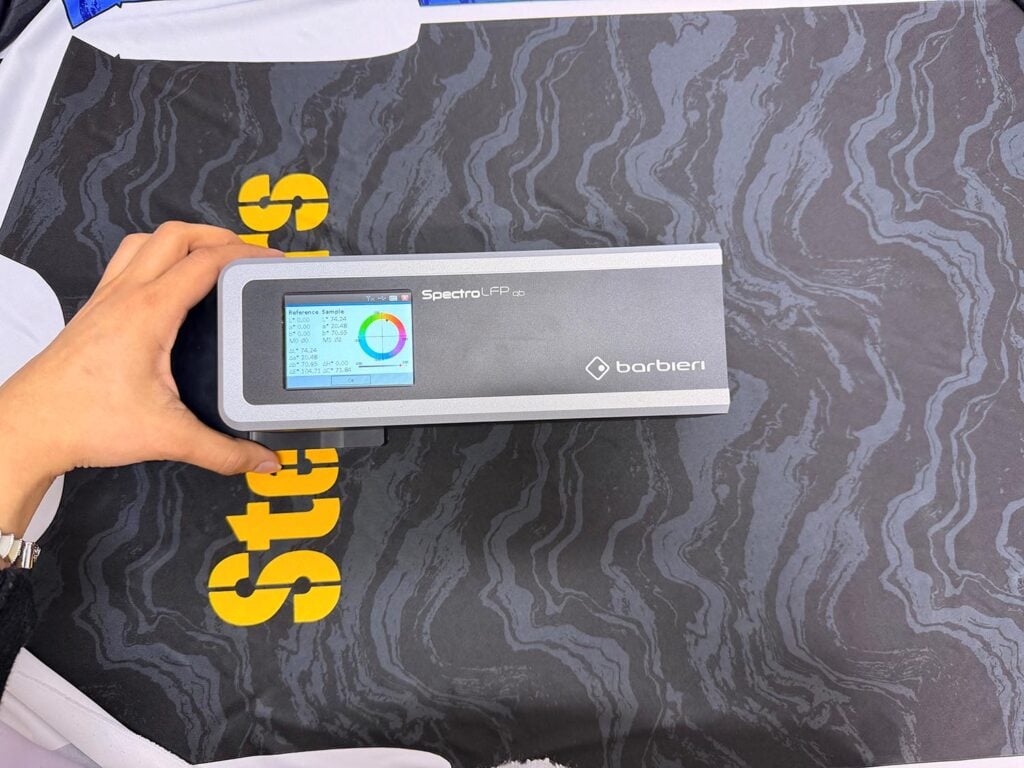
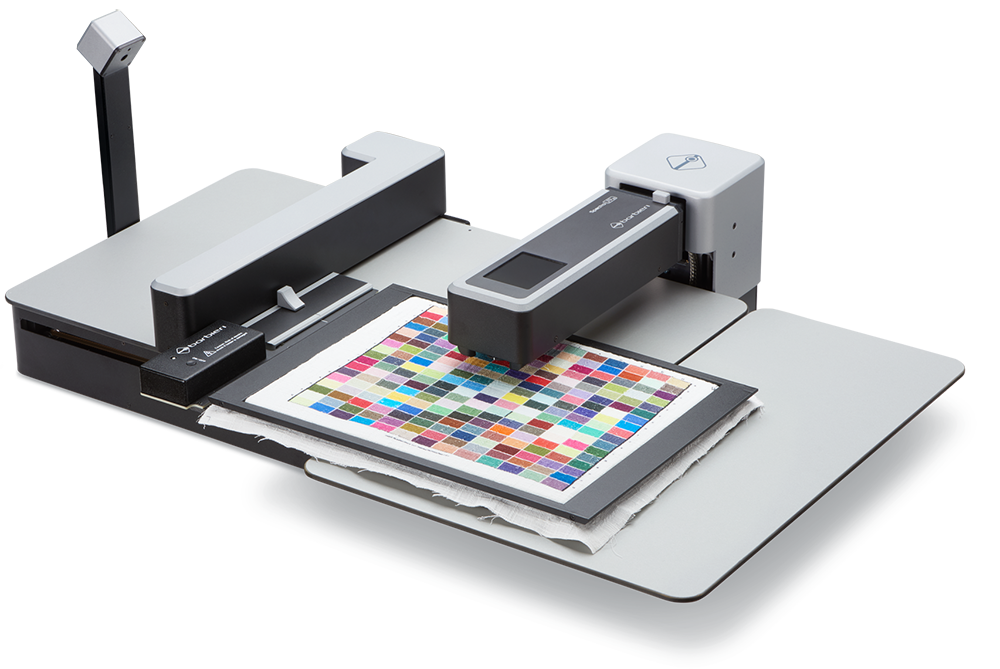
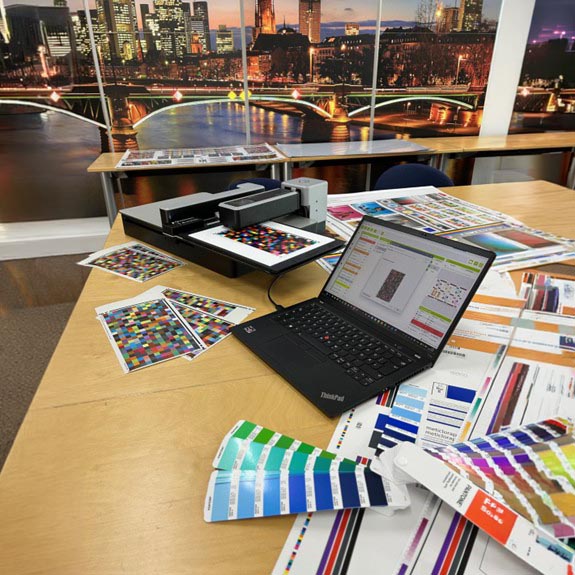
Barbieri spectrophotometers are developed for the specific measurement challenges of digital textile printing. They provide repeatable spectral data on flexible, structured, lightweight, and non-uniform materials and support automated chart measurement for profiling and color quality control.

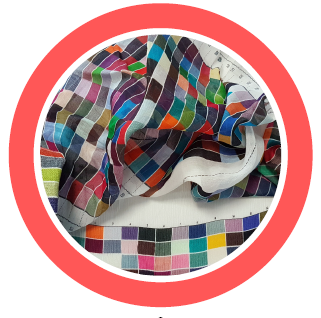
The Spectro LFP qb Textile Edition includes dedicated functions for distorted test charts and textile sample handling.

What Makes Color Control in Digital Textile Printing Difficult

Structured and non uniform textile surfaces

Woven, knitted, and non woven textiles have different surface structures that influence visual appearance and measurement repeatability. Flexible and uneven samples require controlled positioning and appropriate measurement conditions.

Different printing and finishing processes

Dye sublimation, reactive, acid, pigment, and transfer based processes each have specific color characteristics. Heat transfer, steaming, washing, curing, and other finishing steps can significantly influence the final result.

Consistency across batches and production runs

Variations in fabric batches, transfer conditions, finishing processes, printer performance, and environmental conditions can cause color changes over time. Regular measurement helps identify deviations and maintain consistent production quality.

Where Color Measurement Fits in Your Digital Textile Printing Workflow

01

Material and process characterization

Measure the color behavior of each printer, ink, process setting, and textile combination as the basis for accurate profiling.

02

ICC profile creation

Print, process, and measure profiling charts to create accurate ICC profiles for specific printer, ink, process, and textile combinations.

03

Process verification

Measure control charts or production samples at defined intervals to detect color deviations and verify repeatability between production runs.

Barbieri Instruments
04

Printer to printer consistency

Compare output from multiple printers or production locations to improve consistency for repeated jobs, long production runs, and distributed manufacturing.

Complete your Setup

Recommended Accessories for Digital Textile Printing

Accessories designed to improve sample positioning and measurement repeatability on lightweight, flexible, thick, and structured textile materials.
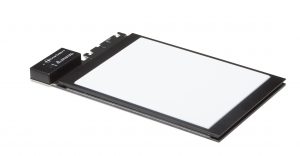
Electrostatic Textile Sample Holder

Electrostatic Textile Sample Holder

Holds textiles flat without adhesive for precise color measurement on fabrics.

Uses an electrostatic charge to hold textile substrates perfectly flat during automated measurement — without adhesives, tape or pinning. Essential for measuring distorted or stretchy fabrics in dye-sublimation and direct-to-garment workflows. Built-in on the Textile Edition; available as an accessory for the standard Spectro LFP qb.
See how industry leaders use Barbieri.

Packaging & Label

CGS ORIS GmbH

CGS ORIS GmbH is a leading developer of color management solutions, contract proofing systems, and workflow software for the printing industry.
Textile

Sync-Innovation

SYNC-INNOVATION is a Japanese one-stop shop for consumer goods, integrating design, production, inventory, and delivery for major e-commerce platforms.
Textile

FUTURE FASHION

The company operates in the garment manufacturing industry, with a strong focus on sportswear production and sublimation-based textiles.

Need Help Choosing the Right Solution?

Scroll to Top
Cookie Consent with Real Cookie Banner